
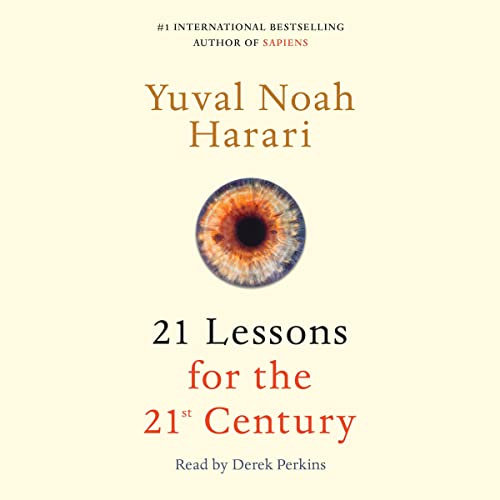
Book Details
- Genre: Non-Fiction / Contemporary Issues / Political Philosophy
- Themes:
- Technological Disruption and AI
- Liberalism vs. Nationalism
- Post-Truth and Fake News
- Education, Work, and Meaning
- Globalism and Human Resilience
One-Sentence Summary
21 Lessons for the 21st Century dissects the most pressing challenges facing humanity today—ranging from technological upheaval to moral responsibility—and offers critical questions to help individuals remain grounded and informed in an uncertain world.
Main Takeaways & Insights
- The Future of Work: AI and automation will make many traditional jobs obsolete, forcing a shift in how we prepare people—not for specific careers, but for lifelong adaptability.
- Clarity Over Certainty: In a world overloaded with information, the ability to filter truth from noise is a key survival skill; emotional intelligence and mental resilience matter more than ever.
- Nationalism vs. Global Problems: Global challenges like climate change, cyber threats, and pandemics can’t be solved through isolated nationalism—they demand global cooperation.
- Education Must Evolve: Traditional education systems fail to prepare students for the cognitive flexibility, critical thinking, and collaboration required in the modern world.
- Religion and Meaning: Harari explores how stories—religious, national, or ideological—shape human experience, but cautions against rigid dogmas in the face of rapid change.
- The Rise of Algorithms: Just as in Homo Deus, Harari emphasizes how algorithms could soon know individuals better than they know themselves, challenging personal autonomy.
- Moral Responsibility: While we cannot predict the future, we are responsible for creating ethical frameworks to handle it—starting with empathy, humility, and rational discourse.
Key Quotes
“In a world deluged by irrelevant information, clarity is power.”
“Humans think in stories rather than in facts, numbers, or equations.”
“If we invest too much in developing AI and too little in developing human consciousness, we may end up with super-intelligent computers and emotionally immature humans.”
Personal Reflection
Unlike Sapiens or Homo Deus, this book zooms in on the now—the fears, questions, and ethical crossroads we face daily. Harari doesn’t give easy answers but instead offers clarity through structure, helping readers think more deeply rather than react emotionally. I found his treatment of education, fake news, and mental stability especially relevant. It’s not a comfort read, but it’s one that sharpens awareness and reminds us: the 21st century is not just something to survive—it’s something to understand.
