
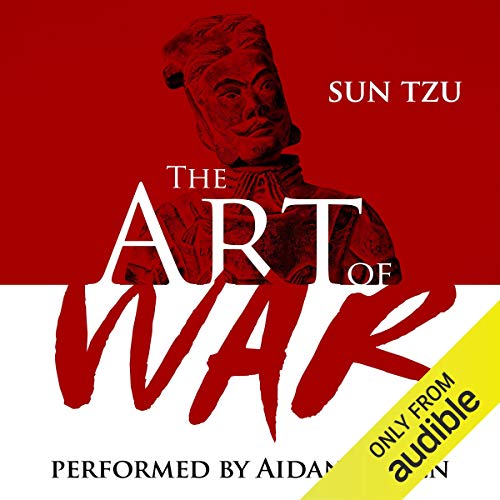
Book Details
- Genre: Non-Fiction / Strategy / Philosophy
- Themes:
- Strategy and Tactical Planning
- Leadership and Discipline
- Psychological Warfare
- Adaptability and Timing
- Intelligence and Deception
One-Sentence Summary
The Art of War is a timeless treatise on military strategy and leadership that emphasizes winning through intelligence, adaptability, and psychological mastery rather than brute force.
Main Takeaways & Insights
- Know Yourself and the Enemy: Victory depends on deep understanding—of your own strengths and weaknesses, and of those of your opponent.
- All Warfare Is Based on Deception: Manipulating perception, sowing confusion, and misdirecting the enemy are essential tools in gaining advantage.
- Winning Without Fighting Is Supreme: The highest form of strategy is to subdue the enemy without direct conflict, through disruption, alliances, or psychological dominance.
- Flexibility Over Rigidity: There is no single formula for victory—success depends on adapting to changing conditions and seizing the opportune moment.
- Preparation Is Power: Careful planning, terrain assessment, morale management, and timing are more decisive than brute strength.
- Leadership Matters: A general must lead with wisdom, integrity, discipline, and awareness of the human elements of warfare.
Key Quotes
“Appear weak when you are strong, and strong when you are weak.”
“If you know the enemy and know yourself, you need not fear the result of a hundred battles.”
“Supreme excellence consists of breaking the enemy’s resistance without fighting.”
Personal Reflection
Though centuries old, The Art of War feels startlingly relevant—not just in military contexts but in business, politics, and personal strategy. Its elegance lies in its simplicity: measured action over chaos, clarity over noise. It’s a book that rewards repeated reading; each lesson is compact, yet capable of transforming how we think about power, conflict, and influence.
