
Book Details
- Genre: Non-Fiction / Psychology / Social Science
- Themes:
- Human Behavior and Moral Choice
- Power, Authority, and Obedience
- Situational vs. Dispositional Evil
- Dehumanization and Group Dynamics
- Ethical Responsibility and Resistance
One-Sentence Summary
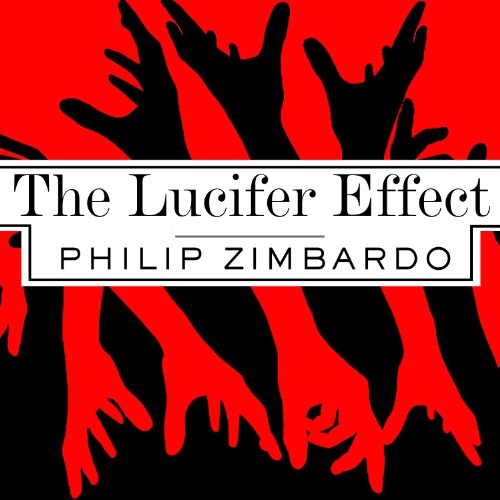
The Lucifer Effect explores how ordinary people can commit extraordinarily evil acts under certain social pressures and situational forces, drawing deeply from the infamous Stanford Prison Experiment and real-world atrocities.
Main Takeaways & Insights
- Situations Matter More Than We Think: Zimbardo shows that environmental and systemic pressures can override personal morality, pushing good people to act unethically.
- The Stanford Prison Experiment (SPE): The core of the book analyzes the SPE, where student volunteers quickly adopted abusive behaviors in a simulated prison environment—revealing how easily roles can shape identity and action.
- Systemic Power Enables Abuse: Institutions and authority structures (e.g., prisons, military) can create conditions that normalize cruelty and suppress individual accountability.
- Deindividuation and Dehumanization: Loss of identity in groups and labeling others as “less than human” are critical ingredients in the recipe for moral disengagement.
- From Abu Ghraib to Genocide: Zimbardo draws parallels between the SPE and real-world abuses, particularly the U.S. military’s treatment of detainees at Abu Ghraib, showing how systemic failures promote evil acts.
- Heroism Is the Antidote: The final section argues that just as systems can turn good people evil, they can also cultivate everyday heroes—those who choose to act morally even under pressure.
Key Quotes
“The line between good and evil is permeable and almost anyone can be induced to cross it when pressured by situational forces.”
“If you put good people in bad situations, bad things happen.”
“Evil is knowing better, but willingly doing worse.”
Personal Reflection
The Lucifer Effect is a powerful, uncomfortable, and necessary read. Zimbardo doesn’t let us hide behind the illusion that evil is something only “bad people” do. Instead, he challenges us to confront how systems, roles, and situations manipulate behavior—and how fragile our moral boundaries can be. This book is a wake-up call not just to be mindful of authority, but to build cultures that resist dehumanization and empower ethical courage.
