
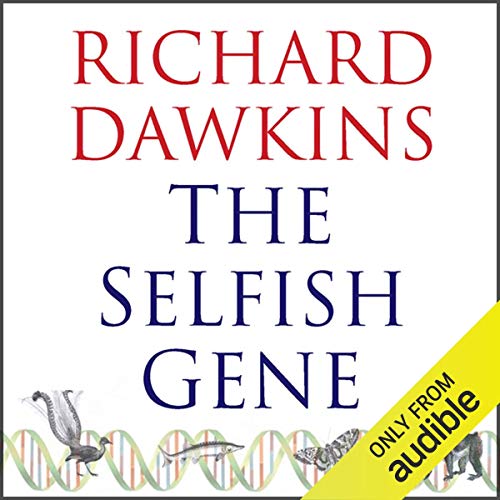
Book Details
- Genre: Non-Fiction / Science / Evolutionary Biology
- Themes:
- Evolution and Natural Selection
- Gene-Centered View of Life
- Altruism and Selfishness in Nature
- Replicators and Memes
- Survival and Reproduction as Genetic Strategy
One-Sentence Summary
Richard Dawkins reframes evolution through the lens of the gene, arguing that organisms are survival machines built by genes to perpetuate themselves, leading to behaviors that appear altruistic but are ultimately gene-driven strategies for replication.
Main Takeaways & Insights
- Genes Are the Unit of Selection: Evolution acts at the level of genes—not species or individuals—which persist through time by building bodies that help them survive and replicate.
- The “Selfish” Gene Is Not a Moral Judgment: The term “selfish” refers to genes behaving in ways that maximize their own replication, not moral selfishness; altruistic behaviors can emerge as gene-level strategies.
- Organisms Are Survival Machines: We are vehicles created by genes to ensure their survival—biological tools designed to carry, protect, and replicate them.
- Altruism Explained by Kin Selection: Animals sometimes help relatives because they share genes; helping kin can enhance a gene’s chance of replication.
- Game Theory in Evolution: Strategies like the “tit-for-tat” model explain cooperation and conflict in the animal kingdom, influenced by cost-benefit outcomes over time.
- Memes – A New Type of Replicator: Dawkins introduces “memes” as cultural ideas that spread and evolve like genes, shaping society in non-genetic ways.
- Extended Phenotype Concept (Implied): Though fully developed in his later work, Dawkins hints at how genes influence not just bodies but environments—e.g., beaver dams or spider webs—as part of their replication strategy.
Key Quotes
“We are survival machines—robot vehicles blindly programmed to preserve the selfish molecules known as genes.”
“Let us try to teach generosity and altruism, because we are born selfish.”
“A gene is defined as a unit of heredity, and the fundamental unit of natural selection.”
Personal Reflection
The Selfish Gene fundamentally altered how we understand evolution—not as a story of cooperative species or heroic individuals, but as a relentless game of genetic replication. Dawkins doesn’t strip humanity of meaning; rather, he deepens our grasp of biology by exposing the elegant, often brutal logic behind life. This gene-centered view is intellectually provocative, sometimes unsettling, and scientifically brilliant. It’s a must-read for anyone curious about why life, behavior, and even culture function the way they do—from ants and apes to humans.
