
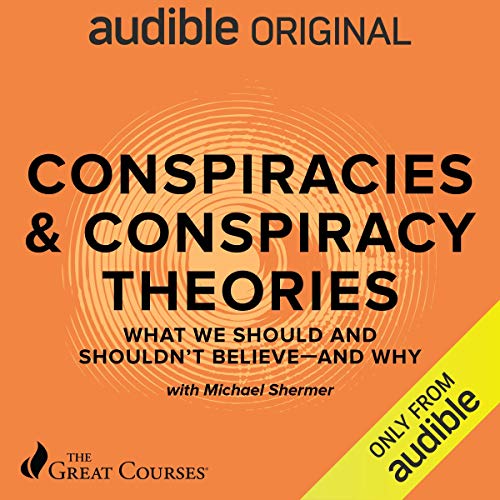
Book Details
- Genre: Non-Fiction / Psychology / Critical Thinking
- Themes:
- Skepticism and Rational Inquiry
- Pattern Recognition and Cognitive Bias
- Political Extremism and Misinformation
- Epistemology and Evidence
- The Psychology of Belief
One-Sentence Summary
Michael Shermer explores the cognitive, psychological, and sociopolitical underpinnings of conspiracy thinking, helping readers discern between legitimate skepticism and unfounded paranoia in an age of rampant misinformation.
Main Takeaways & Insights
- Not All Conspiracies Are Theories: Real conspiracies exist (e.g., Watergate, COINTELPRO), but they tend to unravel quickly under scrutiny, unlike sprawling, baseless conspiracy theories.
- Why People Believe: Humans are hardwired to seek patterns and agency—traits that, while evolutionarily useful, make us prone to believing in grand, hidden narratives.
- The Proportionality Bias: People tend to assume that big events must have big causes, leading them to reject randomness or mundane explanations in favor of elaborate conspiracies.
- The Role of Anxiety and Powerlessness: Conspiracy beliefs surge in times of social upheaval and when individuals feel disenfranchised or distrustful of institutions.
- How to Evaluate a Theory: Shermer provides tools for critical evaluation: ask whether the theory is falsifiable, whether it grows or shrinks with new evidence, and who benefits from its spread.
- Danger of Unchecked Theories: Belief in harmful conspiracies (e.g., QAnon, anti-vaccine movements) can undermine public trust, promote extremism, and cause real-world harm.
Key Quotes
“Never attribute to malice that which can be adequately explained by stupidity.”
“Skepticism is the default position when evaluating extraordinary claims.”
“Conspiracy theories are belief systems built around the idea that nothing happens by accident.”
Personal Reflection
Conspiracies & Conspiracy Theories is an essential guide for navigating a world saturated with disinformation. Shermer, with clarity and rigor, demystifies why we fall for conspiratorial thinking and offers practical frameworks to sharpen our critical faculties. It’s not just a defense of reason—it’s a manual for mental resilience. This work is especially vital today, where discerning truth from illusion is increasingly difficult and consequential.
