
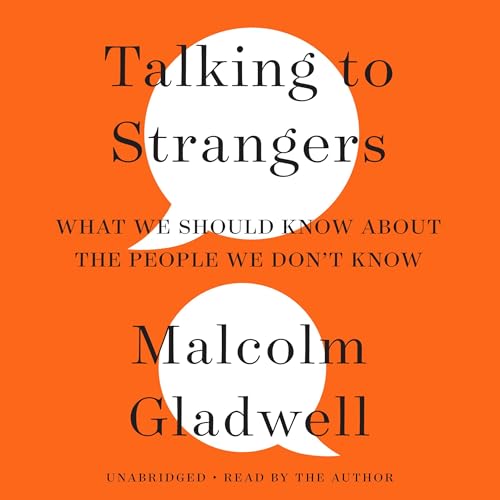
Book Details
- Genre: Non-Fiction / Psychology / Social Commentary
- Themes:
- Miscommunication and Misunderstanding
- Truth Bias and Deception
- Cultural Context and Assumptions
- Human Behavior and Error
- Institutional Failure
One-Sentence Summary
Gladwell explores how our interactions with strangers are often shaped by flawed assumptions, leading to misjudgments that have serious personal and societal consequences.
Main Takeaways & Insights
- Truth-Default Theory: Humans are naturally inclined to believe others are telling the truth, which leaves us vulnerable to deception—especially by strangers.
- Transparency Illusion: We wrongly assume we can read others’ intentions through facial expressions or body language, even though these cues are culturally inconsistent and often misleading.
- The Cost of Misreading Strangers: High-profile cases—such as the arrests of Sandra Bland and Amanda Knox—show how deeply flawed interpretations can escalate into tragic outcomes.
- Context Is Critical: Strangers’ behaviors only make sense within their own cultural or situational context. Removing that context increases the risk of misunderstanding.
- Institutional Blind Spots: Systems like policing, espionage, and justice often operate on mistaken assumptions about how strangers should behave, leading to systemic errors.
- Humility Over Certainty: The book advocates for a more cautious and empathetic approach when interacting with those we don’t know, instead of defaulting to snap judgments or perceived “tells.”
Key Quotes
“We think we can easily see into the hearts of others based on the flimsiest of clues.”
“The stranger is not easy; the stranger is never as transparent as we think.”
“To assume the best about another is the trait that has created modern society.”
Personal Reflection
Talking to Strangers is a sobering examination of the cracks in our social intuition. Gladwell forces readers to confront how poorly we understand people outside our circles—and how dangerous that ignorance can be. Through gripping real-world cases, he makes it clear that communication isn’t just about language; it’s about context, humility, and a willingness to acknowledge our cognitive blind spots. This book is an important guide for anyone seeking to navigate a diverse, high-stakes world more responsibly.
