
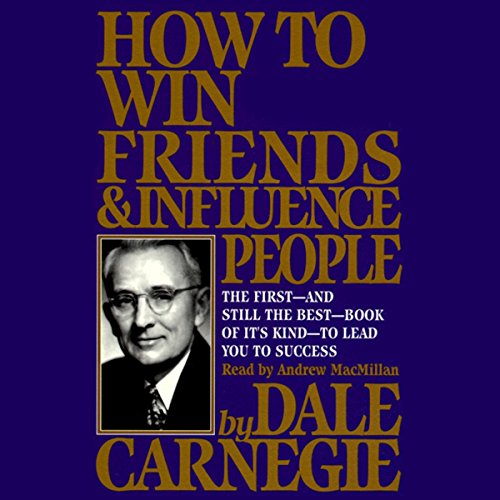
Book Details
- Genre: Self-Help / Communication / Personal Development
- Themes:
- Interpersonal Influence
- Emotional Intelligence
- Leadership through Empathy
- Conflict Resolution
- Persuasion & Social Grace
One-Sentence Summary
A timeless guide to mastering human relationships, Carnegie’s How to Win Friends & Influence People lays out actionable principles for winning trust, resolving conflicts, and building genuine influence in both personal and professional life.
Main Takeaways & Insights
- People Crave Appreciation: Sincere appreciation—not flattery—is a powerful tool for influencing others and fostering goodwill.
- Remember Names, Show Interest: A person’s name is, to them, the sweetest sound in any language. Remember it. Ask questions about their interests. People care about those who care about them.
- Avoid Criticism and Condemnation: Criticizing others breeds defensiveness. Instead, focus on understanding and redirecting behavior through empathy and encouragement.
- Win People to Your Way of Thinking: Carnegie outlines techniques like avoiding arguments, admitting when you’re wrong quickly, and appealing to others’ nobler motives.
- Let Others Feel Ownership: In leadership or persuasion, give people a stake in the outcome by letting the idea seem like theirs.
- Influence with Stories, Not Commands: Use vivid, relatable stories or questions to lead people toward your point rather than issuing direct instructions.
Key Quotes
“You can make more friends in two months by becoming interested in other people than you can in two years by trying to get other people interested in you.”
“Talk to someone about themselves and they’ll listen for hours.”
“The only way to get the best of an argument is to avoid it.”
Personal Reflection
Despite being written nearly a century ago, How to Win Friends & Influence People remains strikingly relevant. Its enduring power lies in its fundamental truth: people want to feel valued, understood, and respected. Carnegie doesn’t offer manipulation but teaches empathy as the bedrock of influence. The clarity of these principles—listening more, criticizing less, praising sincerely—can radically transform one’s relationships and career. In a world often driven by digital noise and ego, this book is a necessary return to authentic, human-centered communication.
