
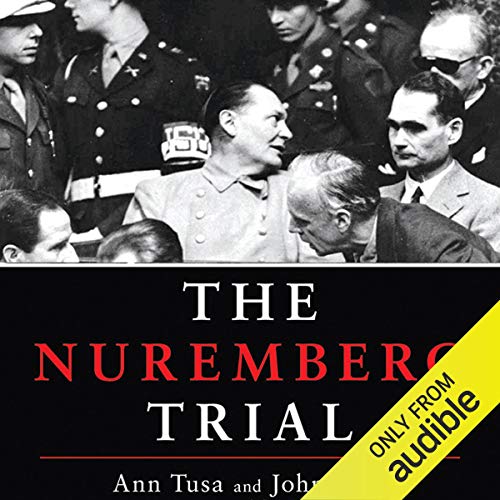
Book Details
- Genre: History / Law / World War II
- Themes:
- Justice vs. Vengeance
- Accountability in War
- International Law
- Moral Responsibility
- The Psychology of Evil
One-Sentence Summary
The Nuremberg Trial delivers a compelling and thorough account of the world’s first international war crimes tribunal, exposing the legal, political, and human dimensions behind the effort to hold Nazi leaders accountable for unprecedented atrocities.
Main Takeaways & Insights
- A Historic Legal Milestone: The trial was the first time in modern history that an international court prosecuted government officials for crimes against humanity, setting a precedent for future tribunals like those for Rwanda and Yugoslavia.
- Legal Innovation Under Pressure: The tribunal had no established legal framework—everything from the definition of “crimes against humanity” to jurisdiction had to be invented, justified, and defended.
- The Power of Documentation: The prosecution’s decision to rely on Nazi documents and official orders, rather than survivor testimony alone, created an irrefutable case against the accused and forever sealed the historical record.
- The Moral Complexity of Justice: The trial exposed uncomfortable tensions between legal fairness and moral urgency. Some saw it as “victor’s justice,” while others viewed it as the only viable path to accountability.
- Personalities Shaped the Process: The performance, egos, and strategies of key figures—from the prosecutors to the defendants like Göring and Hess—dramatically influenced both the courtroom dynamics and public perception.
Key Quotes
“Nuremberg was not just about punishing evil; it was about defining it.”
“To try men for acts never before classified as crimes is to change the law in the courtroom—a dangerous precedent, unless anchored in overwhelming moral clarity.”
Personal Reflection
The Nuremberg Trial is a masterclass in historical narrative—dense yet gripping, detailed yet deeply human. It forces the reader to confront the fragility of justice in the face of evil, and the courage required to institutionalize morality through law. The Tusa authors strike a balance between analytical rigor and storytelling, offering not just a history of a trial, but a chronicle of a moment when civilization tried to heal by prosecuting barbarism. This book isn’t just about Nazis on trial—it’s about humanity looking itself in the mirror.
