
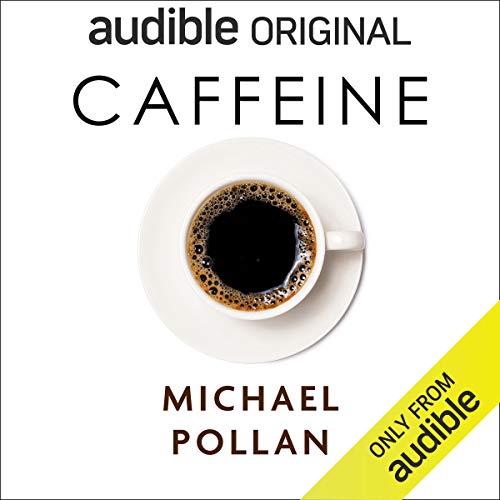
Book Details
- Genre: Science / History / Cultural Criticism
- Narrator: Michael Pollan (audiobook)
- Themes:
- Cognitive Performance & Productivity
- Drug Dependency in Modern Culture
- Capitalism & Stimulant Economics
- Mindfulness & Withdrawal
- Coffee, Tea & Colonialism
One-Sentence Summary
Michael Pollan explores how caffeine—society’s most accepted psychoactive drug—shaped Western civilization by fueling capitalism, productivity, and even revolutions, while challenging readers to consider its unnoticed grip on daily life.
Main Takeaways & Insights
- Caffeine as an Engine of Modernity: Pollan argues that caffeine didn’t merely enhance alertness—it fundamentally altered sleep patterns, work schedules, and societal productivity, especially during the Industrial Revolution.
- Legal, Social, and Cultural Acceptance: Unlike other psychoactive substances, caffeine’s integration into daily rituals (coffee in the West, tea in the East) has shielded it from moral scrutiny, despite its powerful neurological effects.
- A Personal Detox Experiment: Pollan withdraws from caffeine to understand its true impact on his cognition and well-being. The result is a vivid depiction of the drug’s hidden power—and how deeply entrenched it is in our routines.
- Colonialism in a Cup: Coffee and tea industries are tightly woven into histories of empire, slavery, and trade. Pollan ties the global rise of caffeine to both innovation and exploitation.
- Our Brains on Caffeine: Caffeine doesn’t just wake us up—it alters the brain’s adenosine receptors, giving the illusion of energy while quietly stealing natural rest, potentially contributing to long-term fatigue and burnout.
Key Quotes
“Caffeine is the most-used psychoactive drug in the world, and yet we give it barely a second thought.”
“It’s not so much that caffeine gives us energy, but that it masks the sensation of being tired.”
Personal Reflection
Pollan’s investigation into caffeine reshaped how I view my morning rituals. The realization that a substance so normalized could have such a massive cultural and neurological impact was sobering—especially when seen through the lens of withdrawal. This is not a condemnation of coffee or tea, but an invitation to reflect. What do we trade for performance? And what do we miss when we no longer truly rest? Caffeine is short, sharp, and deeply illuminating—a jolt of clarity in itself.
