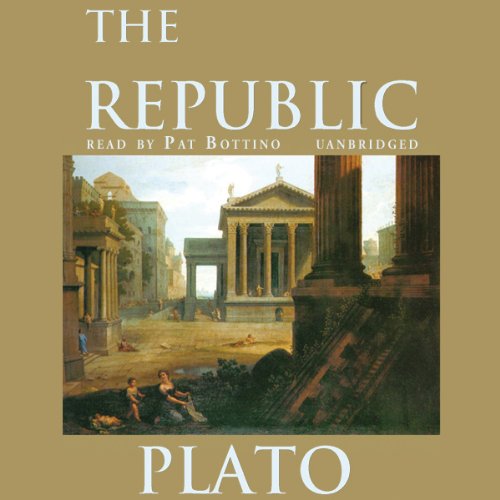
Book Details
- Genre: Philosophy / Political Theory / Ethics
- Narrator: Various (depending on edition)
- Themes:
- Justice & the Ideal State
- The Philosopher-King
- The Nature of Reality (Allegory of the Cave)
- Education, Morality, and the Soul
- The Tripartite Structure of the Human Psyche
One-Sentence Summary
In The Republic, Plato presents a vision of the just society through a philosophical dialogue led by Socrates, exploring justice, the role of the individual, and the ideal structure of governance in pursuit of the good life.
Main Takeaways & Insights
- Justice Defined Through Dialogue: Plato uses Socratic dialogue to interrogate the nature of justice, ultimately arguing that justice exists when everyone fulfills their appropriate role in society without interfering with others.
- The Tripartite Soul: Human nature is divided into three parts—reason (rulers), spirit (guardians), and appetite (producers). A just individual maintains balance among these, mirroring the structure of a just society.
- The Philosopher-King: Only those who truly understand the Forms—especially the Form of the Good—are fit to rule. Philosophers, not politicians or warriors, should lead the state.
- The Allegory of the Cave: Perhaps the most famous metaphor in philosophy, the cave allegory describes the journey from ignorance to knowledge, from shadows to reality, as the path of the philosopher.
- Education as Enlightenment: True education is not about filling the mind with information, but about turning the soul toward truth. It is a moral and spiritual awakening, not a vocational task.
Key Quotes
“Justice means minding your own business and not meddling with other men’s concerns.”
“The heaviest penalty for declining to rule is to be ruled by someone inferior to yourself.”
“The object of knowledge is what exists and its function to know about reality.”
“We can easily forgive a child who is afraid of the dark; the real tragedy of life is when men are afraid of the light.”
Personal Reflection
The Republic is less a political blueprint and more a philosophical mirror held up to both society and the self. Plato’s inquiries are timeless, challenging us to reflect on leadership, morality, and the structures we inhabit. The text also subtly critiques democratic populism, urging the reader to ask whether freedom without wisdom can devolve into chaos. Revisiting this work today reveals not just historical thought, but a live wire running through contemporary debates on justice, governance, and the soul’s pursuit of truth.
