
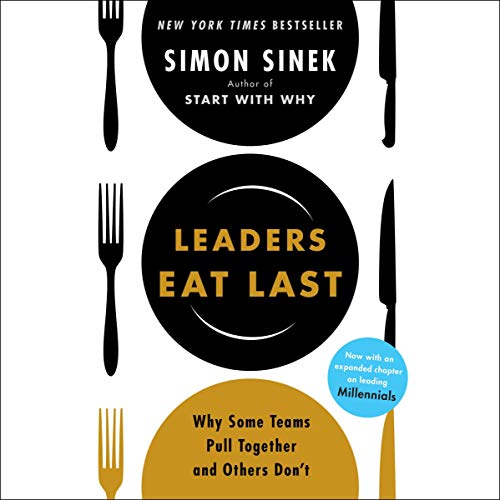
Book Details
- Genre: Leadership / Business / Organizational Psychology
- Themes:
- Servant Leadership
- Team Trust & Safety
- Biology of Leadership
- Culture over Metrics
- Long-term Thinking
One-Sentence Summary
Simon Sinek explores how leaders who prioritize the well-being of their teams foster trust, cooperation, and resilience—turning average groups into extraordinary organizations.
Main Takeaways & Insights
- The Circle of Safety: Great leaders expand a metaphorical “Circle of Safety” around their teams, reducing internal threats so members can focus on external challenges.
- Biology Drives Behavior: Human leadership dynamics are shaped by four key chemicals—endorphins, dopamine, serotonin, and oxytocin—that influence everything from achievement to trust.
- Leadership is a Responsibility, Not a Rank: Being a leader means caring for those you lead, not controlling them—true leaders serve, they don’t demand.
- Trust is Built, Not Bought: Cultures that prioritize human needs over short-term profits generate stronger teams, higher loyalty, and sustained performance.
- The Cost of Short-Termism: Environments driven by metrics, layoffs, and selfish incentives erode morale and create toxic workplaces.
Key Quotes
“Leadership is not about being in charge. It is about taking care of those in your charge.”
“When we feel safe among our group, we naturally cooperate and thrive.”
“The responsibility of leadership is not to come up with all the ideas, but to create an environment in which great ideas can happen.”
Personal Reflection
This book delivers both a gut check and a vision check. Sinek’s use of biology to explain leadership behavior struck a deep chord—it reframed leadership not just as a strategy but as something embedded in human nature. His message is a timely call for a return to empathy-driven leadership, especially in a world increasingly driven by metrics, KPIs, and burnout. It’s a reminder that people aren’t cogs in a machine—they’re the very engine of any meaningful enterprise. The best teams I’ve ever seen weren’t the most talented—they were the most cared for.
