
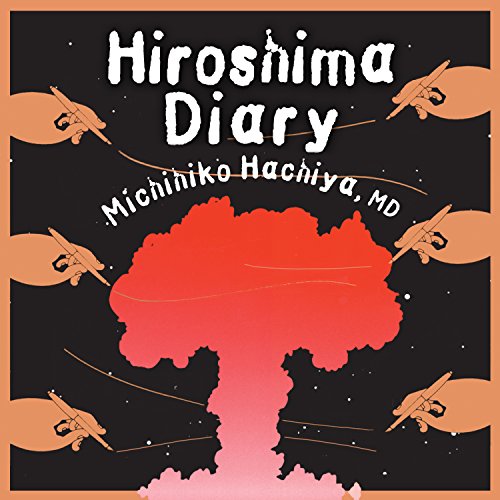
Book Details
• Genre: Memoir / History / Non-Fiction
• Narrator: Brian Nishii (audiobook)
• Themes:
• War and Human Suffering
• Medical Ethics Under Crisis
• Civilian Perspective in War
• Resilience and Recovery
• Historical Memory and Witness
One-Sentence Summary
In this haunting firsthand account, Dr. Michihiko Hachiya documents the devastation of Hiroshima following the atomic bombing, offering a deeply personal and clinical chronicle of survival, suffering, and humanity in the face of unimaginable destruction.
Main Takeaways & Insights
• Firsthand History is Indispensable: Hachiya’s day-by-day journal offers rare immediacy, capturing not only physical devastation but emotional and psychological toll in real-time.
• Medical Humanity Amid Chaos: Despite limited supplies and overwhelming trauma, doctors and nurses exhibited extraordinary compassion, ingenuity, and calm under fire.
• The Civilian Cost of War: Beyond strategy and politics, the book centers human beings—injured, grieving, confused—who struggled to make sense of what had happened.
• Silence and Suppression: Early post-bombing accounts faced censorship and denial; Hachiya’s writing preserves truths that may have otherwise been buried or forgotten.
• Hope Through Documentation: In bearing witness, Hachiya gave voice to the voiceless, showing that even in destruction, truth and memory are forms of healing.
Key Quotes
“We saw a huge flash of light—like magnesium—and then, a split second later, the house crumbled.”
“The city had become a sea of rubble and ash… and silence.”
“There were no distinctions—doctor, patient, soldier, civilian. We were all simply survivors.”
Personal Reflection
Hiroshima Diary is not just a journal—it’s a reckoning. Hachiya’s calm, observational tone makes the horror more potent, not less. In a world where war is often abstracted into headlines, this book reminds us of the individual lives fractured by conflict. As a physician, his clarity and sense of duty ground the narrative, while his moments of despair and hope render it deeply human. It’s not just a historical document—it’s a moral one.
